What Makes a Good Shot?

blog

what-makes-a-good-basketball-shot

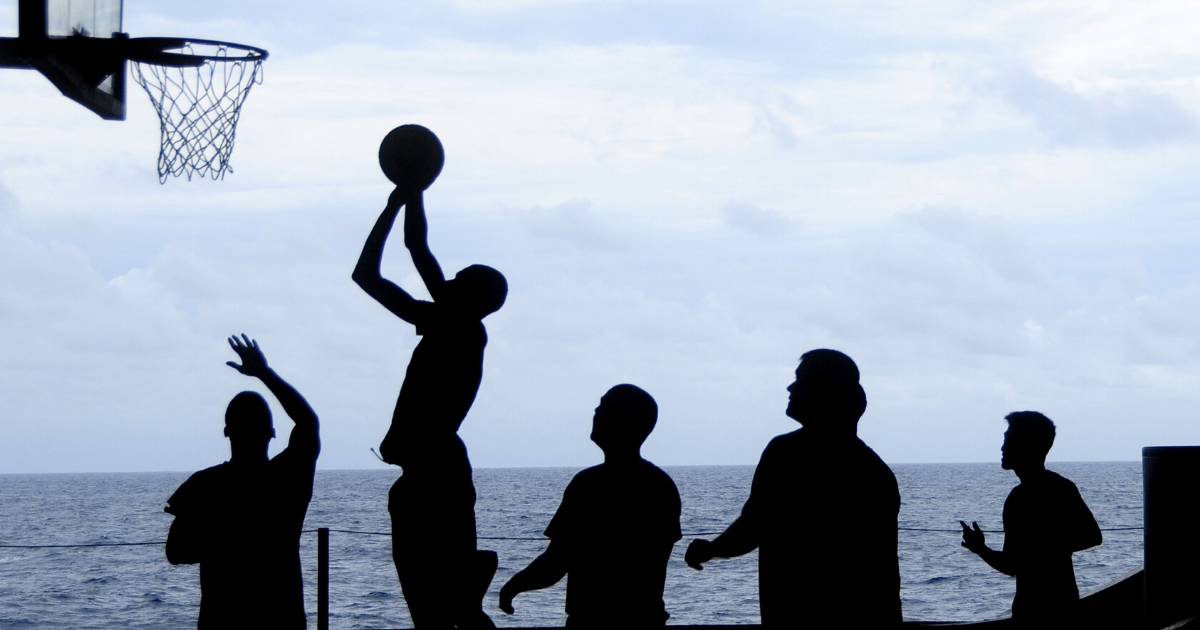
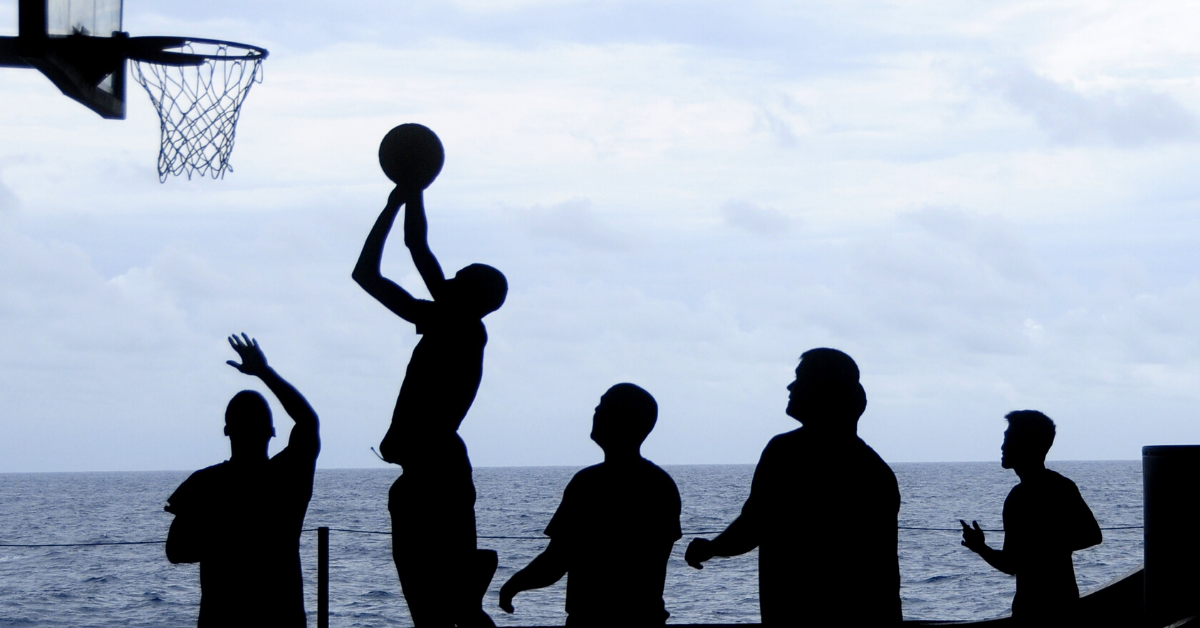
Replicable. Repetition. Revise. These are the 3 pillars of form shooting. Being able to replicate your shooting form, with high repetitions, in different situations and positions on the court, makes a great shooter in a game.

Replicable

What does replicable mean?

\Able to be repeated to obtain a consistent result\

We want to easily reuse our perfect shooting form to score a basket from wherever we want on the court, as many times as we can, by adjusting as little of the mechanics as possible.

Developing a replicable shot comes from understanding the mechanics of a basketball shot.

Here’s a breakdown on the mechanics of a shot (from the top-down):

  • Release point (Follow-through)
  • Hand Placement (Balance Hand)
  • Grip (Fingers)
  • Elbows
  • Shot Pocket (Where you catch the ball)
  • Knee Bend
  • Feet Placement

With the general mechanics of a shot, you are now able to identify what is your perfect shooting form (or start developing one). Being a shooter that is aware of their form already makes them a better shooter.

Repetition

Being able to put up big numbers as a shooter requires you to put up numerous shots. Your shooting form should allow you to repeat it as many times as possible without fatiguing yourself in the process.

We want to easily reuse our perfect shooting form to score a basket from wherever we want on the court, as many times as we can, by adjusting as little of the mechanics as possible. 

Revise

When you miss a shot, recognise what went wrong and revise it in your next shot.

As a basketball player, you will be in an infinite number of scenarios. Factors such as fatigue, stress and defence are hard to reproduce during practice. However, having the ability to revise your shot based on the variables of the scenario, can greatly impact your game.

We want to easily reuse our perfect shooting form to score a basket from, as many times as we can, by adjusting as little of the mechanics as possible wherever we want on the court.

Only if you want to see more of us

The Perfect Basketball Court

blog

the-perfect-basketball-court

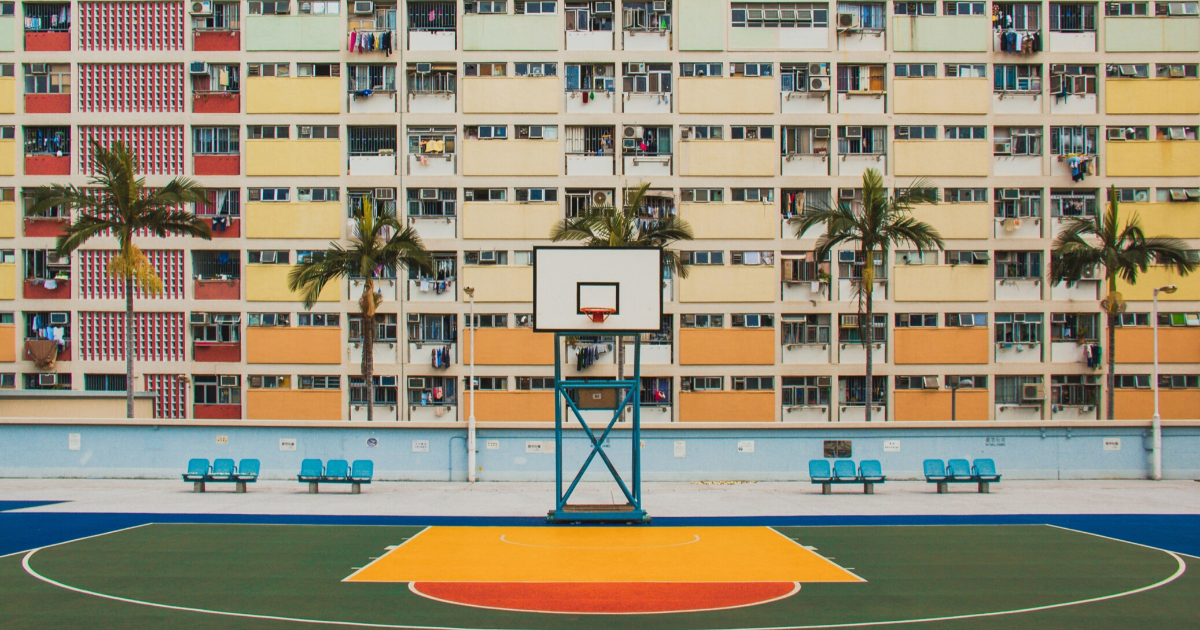
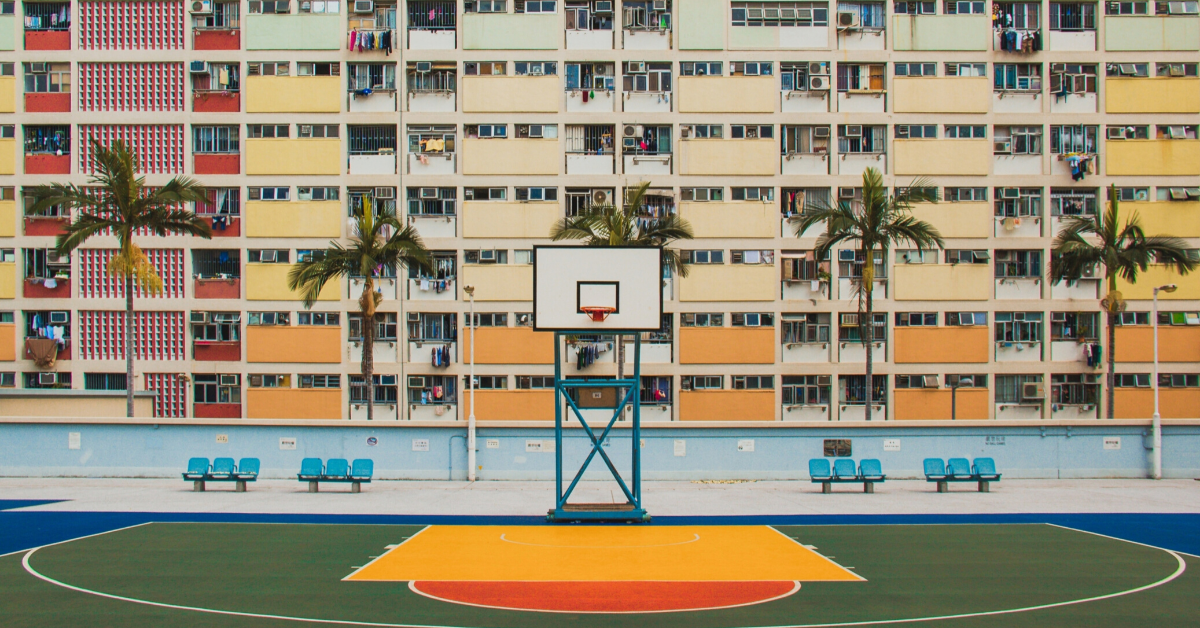
In Singapore, basketball court sizes may vary from court to court and we may not always play on the same court dimensions. As such, it is important that we recognise the potential differences on the court so that we can adjust our game accordingly. OwnYourCourt took some time to look through the specifications of a basketball court and conclude that these are the variables that can impact your game the most.

Basketball court measurements:

  • Court Length (28m) & Width (15m)
  • Rim Height (3.05m)
  • Lines on court
    • 3-point line (6.75m basket to line)
    • Free throw lane (4.9m baseline by 5.8m sideline)
    • Free throw line (4.6m backboard to line)

Court Length & Width

The length and width of the basketball court affect the spacing of the players in the game. Adjusting your plays and movements according to the size of the court may help you win more games.

On a smaller court, you can consider running Pick n’ Rolls higher, outside of the 3-point line. This allows more space for you to make that bounce pass to the roll.

On a bigger court, lateral movements and outside shooters are your key factors to use to get that advantage over your opponents. On drive-and-kick plays, your outside shooters are lethal as defenders are required to cover more ground after helping on the drive.

Rim Height

Rim height affects shots, layups and maybe even alley-oop passes. Understanding if it is lower or higher than what you are accustomed to, gives you an idea on what adjustments to make to get your shot on target.

As a general statement, players who play on standard rims will find it easier to adapt to lower rims. On the other end, players who play on lower rims will find it hard to adapt to higher rims.

Lines on court

Players call plays and make moves referencing to lines and markings on the court. They use these lines to gauge their current position to the basket and their teammates. With this knowledge, they may shoot or pass the ball without even looking at the basket or looking at their teammates.

With that in mind, lines and markings on court affects your angles on court. Adjusting your positions and judgements based on the court lines, will improve the accuracy of your passes and shots.

All markings on the court are important. However, these 3 lines are used the most as reference points:

  • Three-point line
    • 6.75m from the middle of the basket to the line
  • Free throw lane/Key
    • 4.9m by 5.8m box
    • The trapezoidal lanes were removed in 2010, to standardise with the NBA
  • Free throw line
    • 4.6m from the middle of the backboard to the line

Bonus tip: The corner 3-point line is closer to the rim than it is from any other point on line

Only if you want to see more of us

How to Pick Basketball Shoes?

blog

types-of-shoes

Picking out the right pair of basketball shoes can protect you from injuries, improve your manoeuvrability and reduce fatigue during games.

Everyone’s playing style is different. Therefore, the needs of each player may vary depending on their style. For example, a player who cuts into the lanes and changes directions very often may need a shoes that provides multidirectional outsole traction and a mid-cut basketball shoe. However, a player who plays in the post and puts up for rebounds may need a high cut basketball shoe and a more elaborate lacing system for ankle stability.

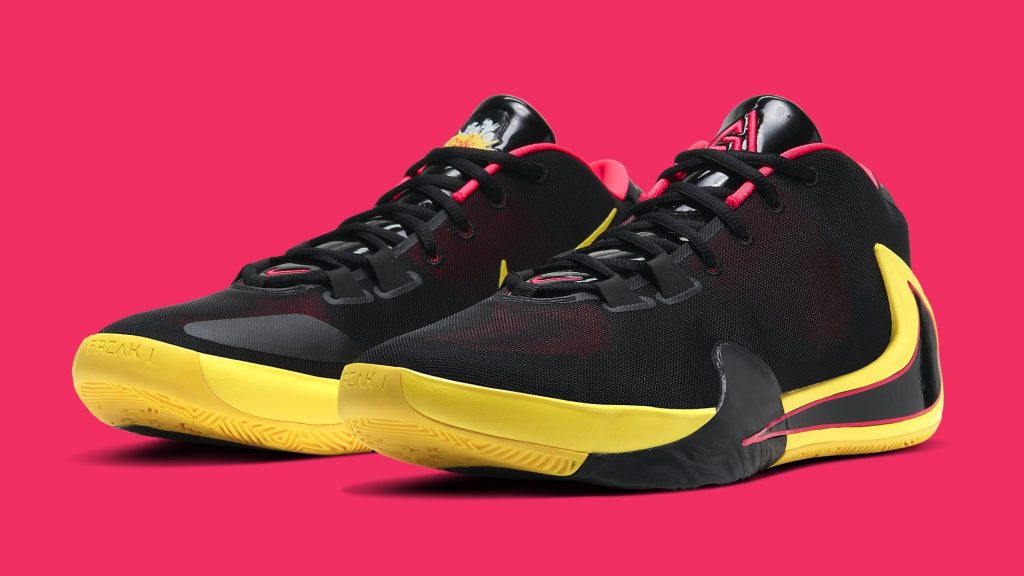
Low Top

Low top basketball shoes are usually known for their ability to provide agile and quick movements due to its unrestricted structure. Lightweight in nature, low top basketball shoes are usually worn by players who depend on their quickness to get by their opponents.

Zoom Freak 1 is one of the best performing low tops shoes out there. Withstanding the high pressure while maintaining the agility of the Greek Freak, Zoom Freak’s series may be the one for you.
basketball shoes singapore

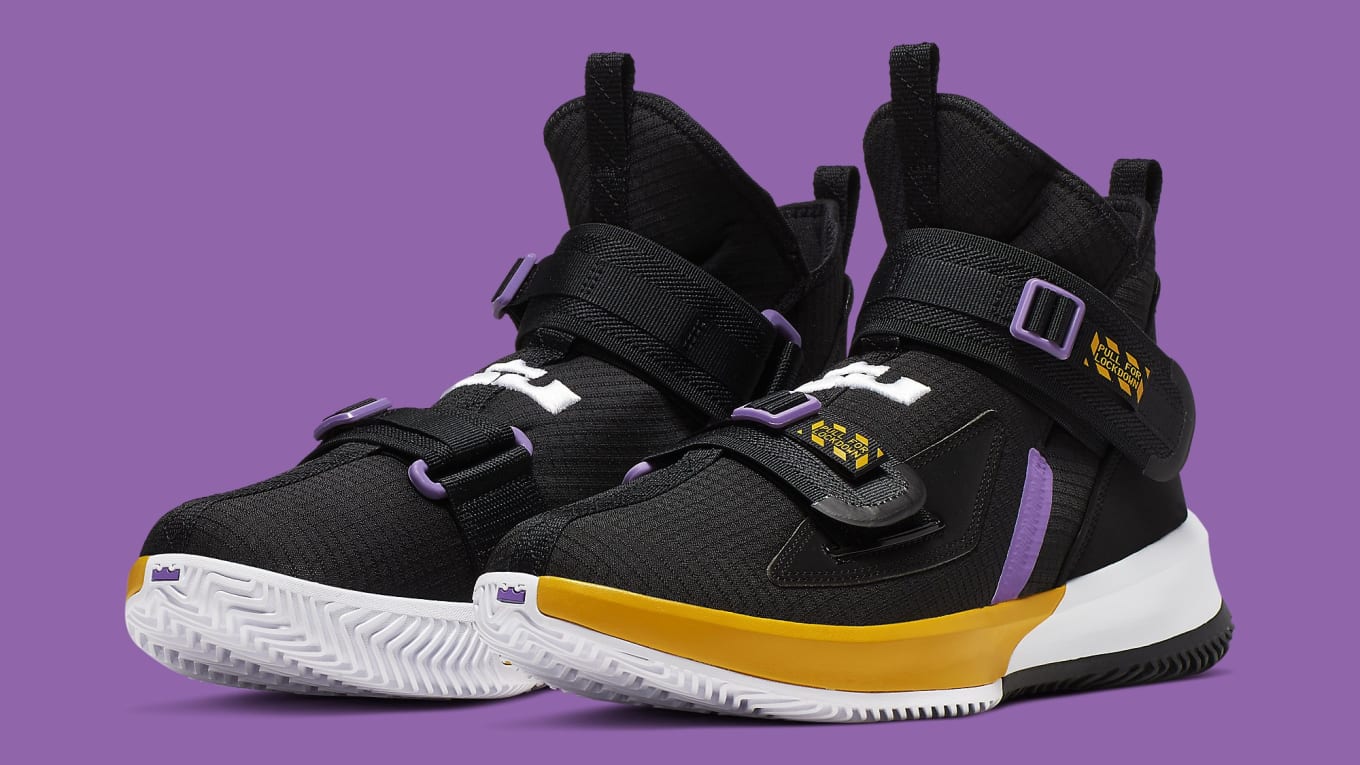
High Top

High top basketball shoes provide ankle stability, reducing the chances of the player rolling/spraining their ankle. The additional fabric and lacing/straps helps to lock the ankles in place, giving the support that the player needs. Players who grab the rebounds or post up in the paint will benefit from these high top basketball shoes.

Lebron Soldier 13 are a beast in this category. Nailing every single aspect of ankle stability with great lacing systems giving you the support you need.
Mid Top

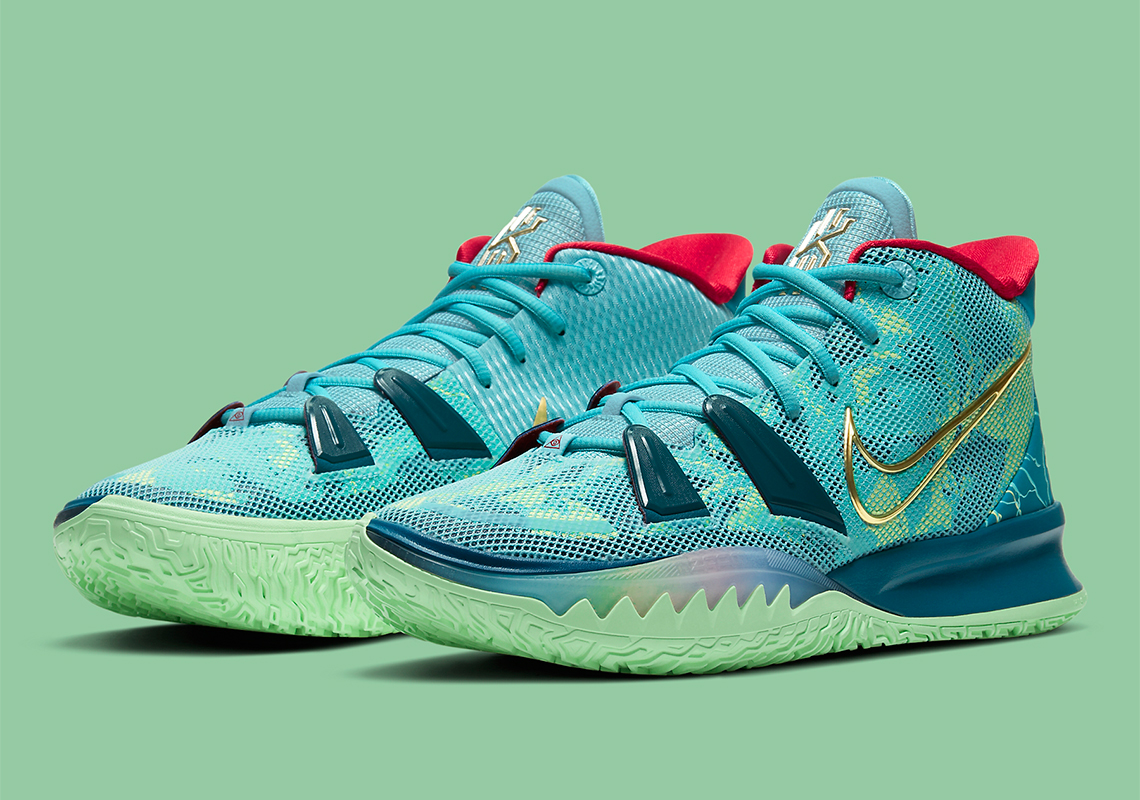
Mid-top basketball shoes are a balance of the two. Fit for explosive & athletic players who drive directly into the lanes yet require the flexibility to change direction for that crossover.

Kyrie 7s hands down would cover this most efficiently. With his multidirectional plays and creative tempos of the game, Kyrie’s series would be the choice for you.
Lacing System

Lacing system includes a variety of straps, placements of holes for laces and a combination of both. In essence, the tightness of the straps and laces delivers the fit and balance you may need to feel comfortable running the floor.

Mid Sole

This is where the cushioning of the basketball shoes is placed. Cushioning is all about the responsiveness and support.

Responsiveness is the “feedback” you get when you push off the court. Support refers to the amount of impact you feel when you land on your toes or feet.

Everyone will have their own preference on the type of cushioning they are looking for. There is no one-size fit all solution for cushioning.

Cushioning technology ranges from brand to brand. Nike React, Adidas Lightstrike and Under Armour HOVR™. Each technology has their own energy return and movement support.

Outsole

Outsole is made up of

  • Types of rubber
  • Traction pattern
  • Sidewalls of the shoe

Types of rubber includes

  • Translucent (Indoor)
  • Solid Rubber (Outdoor)

The rubber of the outsoles is heated to a precise temperature over a certain period of time to get the softness/hardness desired. Longer the rubber is heated, the harder the rubber will be.

Translucent outsoles are typically soft and grip better on dust-free indoor courts than other outsoles. However, it may not be as durable as compared to solid rubbers.

Solid rubbers are harder than translucent rubbers and can be used for both indoor and outdoor courts. Usually a preferred choice due to its flexibility of play, solid rubbers with an optimal traction pattern attracts less dust, improving the traction/bite players get.

Traction pattern

There are two main traction patterns. The herringbone pattern and circular patterns. Circular patterns involve pivoting & rotating. Herringbone pattern (V-shaped, fish-bone) is for multidirectional movements.

There may some creative takes on these patterns but it should still revolve around these two patterns. Ideally, players should select traction pattern according to their play style.

Sidewalls

In short, this is part of the outsole that rises up to the sides of the shoes. In basketball, more than the bottom of the shoe will be used to stop, move or change direction. The sidewalls allow the player to keep traction during these movements.
Only if you want to see more of us

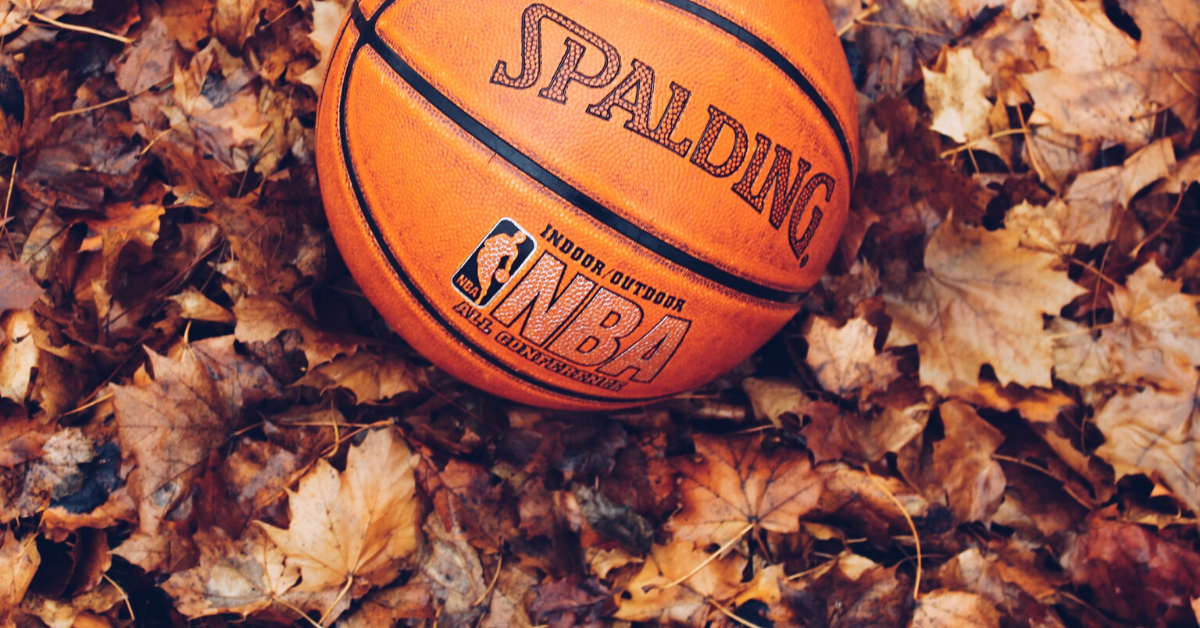
What Basketball Should I Buy?

What Basketball Should I Buy?

type-basketball

Rubber

Rubbers balls are used for outdoor courts due to its durability and grip. Also, it costs a lot less than other types of basketball. No matter rain or shine, rubber basketballs will always be ready to hit the floor.

Price: $

Court type: Outdoor

Leather

Leather balls are only to be used on indoor courts. This material gives you more control and grip, even when your palms are sweaty. It also prevents damaging the floorboards of the court. However, if used outdoors, the leather of your ball may harden up and get damaged.  

Price: $$$

Court type: Indoor

Synthetic/Composite

For both indoor and outdoor use, synthetic or composite basketballs give you the durability you need while having the soft touch of a leather basketball. However, we do not advise you to use these balls in the rain or on wet surfaces. Your synthetic material may retain water, swelling the weight of your ball over time.

Price: $$

Court type: Indoor/Outdoor

Only if you want to see more of us

Types of Basketball Court

blog

types-of-basketball-court

Share with your teammate!

Concrete

Typically found in nearby community centres or in HDB neighbourhoods, concrete basketball courts are the most common court type players will play on. Falling over on these courts may cause abrasions and cuts, so play safe!

In Singapore, these courts are usually free to use and does not require any bookings.

Multipurpose

Multipurpose courts are very similar to concrete courts but it offers a smoother surface which reduces skin abrasions when players fall. More commonly found in schools, multipurpose courts usually have other line markings of other sports, such as Volleyball or Floorball. Be mindful of the other sports!

Indoor Hardwood

Usually paired with air-conditioning and other nearby amenities, indoor hardwood courts can be found in indoor sports stadiums or school’s sports halls.

Players will feel the soft bounce around the rims and the grip of the court when they pull a crossover. Best part, players don’t have to worry (that much) about hitting the floor.

In Singapore, these courts may come with a booking fee. We would recommend at least booking in 2-3 hour blocks with a group of at least 8-12 people!

Sheltered

Covered by a permanent shelter, these courts are very reliable as they are open to public and can be used even during rainy days. However, these courts are hard to come by as they are usually occupied due to its versatility.

Open to the public and free to use, sheltered courts are players favourite types of courts.

Only if you want to see more of us